Key takeaways
- What Is Considered High Mileage?
- Is 100,000 Miles Too Much for a Used Car?
- Highway Miles vs. City Miles
- How to Inspect a High-Mileage Used Car
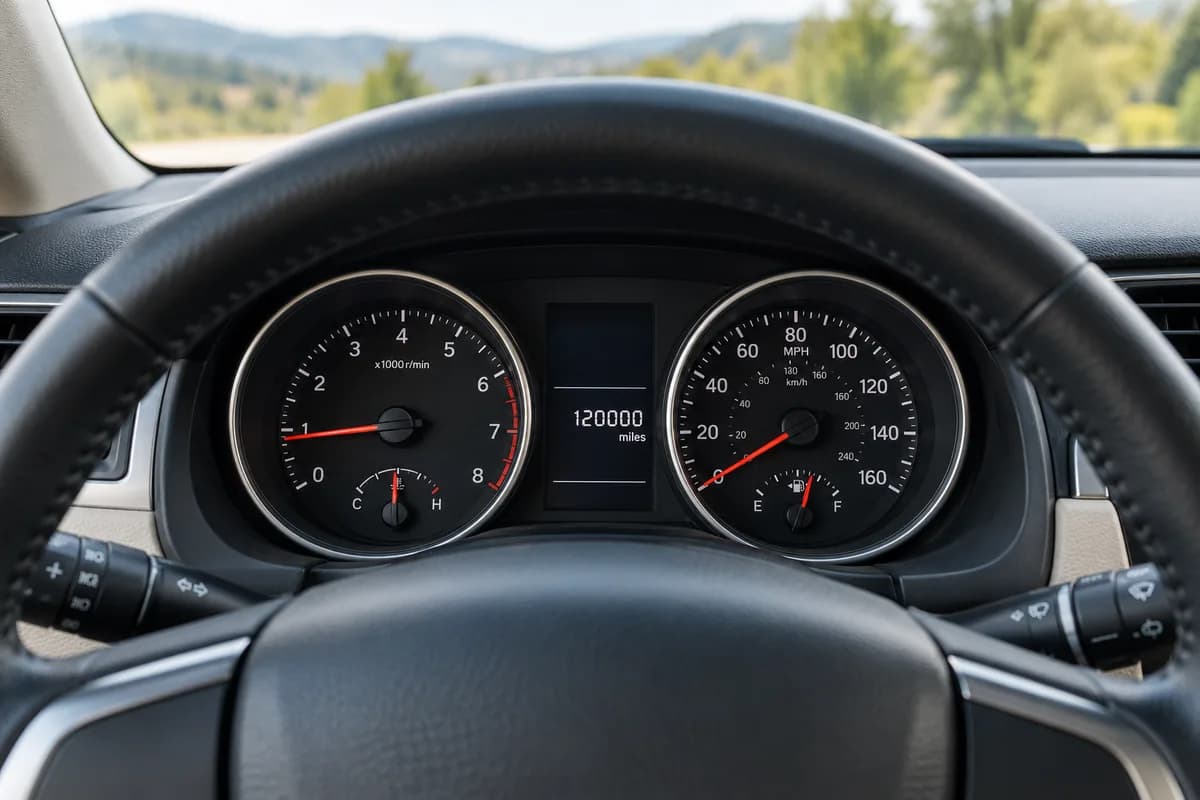
No mileage figure is automatically too high for a used car. A car with 120,000 miles and thorough service records can be a better buy than one with 60,000 miles and neglected servicing. Judge mileage alongside age, mechanical condition, how the car was driven, and price.
Jump to a section1 / 7
What Is Considered High Mileage?
Mileage tells you how far a car has traveled, not how well it was looked after.
Use the ranges below to organize your research, not to decide whether a car is safe or reliable. A well-maintained car can stay useful well past them.
| Mileage | What to investigate |
|---|---|
| Under 30,000 miles | Age-related deterioration, warranty status, accident history |
| 30,000–60,000 miles | Routine maintenance, tire condition, brakes |
| 60,000–100,000 miles | Major scheduled services, suspension, cooling system |
| 100,000–150,000 miles | Maintenance records, transmission, engine leaks, expensive repairs |
| Over 150,000 miles | Overall mechanical condition, remaining service life, repair budget |
Is 100,000 Miles Too Much for a Used Car?
Not necessarily. It depends on how the car was maintained.
A car with 100,000 miles can still be dependable transportation if it has been properly maintained and has no serious mechanical or structural problems.
Check that the major services, especially those the manufacturer specifies, have actually been done.
Highway Miles vs. City Miles
Highway driving usually means fewer braking and acceleration cycles than stop-and-go city driving.
That doesn't make highway miles automatically better. High speeds, poor roads, towing, and skipped maintenance all add wear.
The car's actual condition matters more than how the seller describes its miles.
Run the numbers before you decide
Plug in your own figures from a written offer.
Used car inspection checklist: 25 things to check Total cost of ownership calculator: new vs used carHow to Inspect a High-Mileage Used Car
Before you buy:
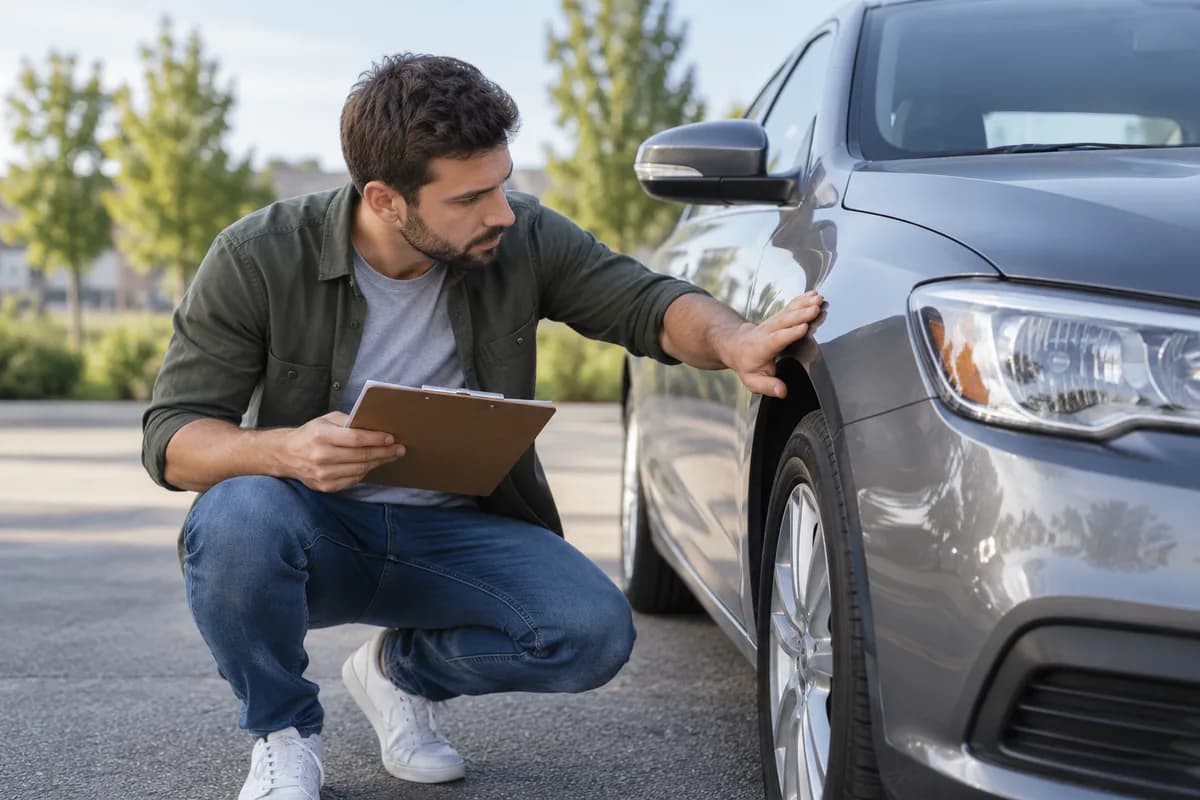
- Review maintenance receipts.
- Check available vehicle history records.
- Inspect the engine and transmission.
- Look for fluid leaks.
- Examine tire wear and suspension condition.
- Test drive the vehicle.
- Arrange an independent mechanical inspection.
- Estimate upcoming maintenance costs.
Should You Buy a Used Car With 150,000 Miles?
It depends on the car, the price, the service history, and how you'll use it.
A high-mileage car can suit a buyer with a tight budget and a healthy repair reserve.
It's a poorer fit if you need dependable transportation and can't afford unexpected downtime.
Frequently Asked Questions
Is 80,000 miles a lot for a used car?
It depends on the car's age, model, service history, and mechanical condition. Mileage alone can't tell you the quality.
Can a used car last 200,000 miles?
Some can pass 200,000 miles with proper maintenance, but no lifespan is guaranteed.
Is a 10-year-old car with low mileage a good purchase?
Possibly, but age takes its toll even on a rarely driven car. Inspect the tires, seals, fluids, battery, and maintenance history.
Conclusion
Don't rule out a used car just because the odometer is high.
Look at the maintenance history, inspection findings, likely repair costs, and how long you plan to keep it before you decide.
Sources and further reading
Examples are hypothetical unless explicitly stated. Verify current rules and contract terms for your situation. Read the full disclaimer.
Save the guide, collect the missing evidence, and revisit your numbers before committing.