
Key takeaways
- Purchase Price Comparison
- Depreciation
- Maintenance and Repair Costs
- Warranty Protection
- Financing Costs
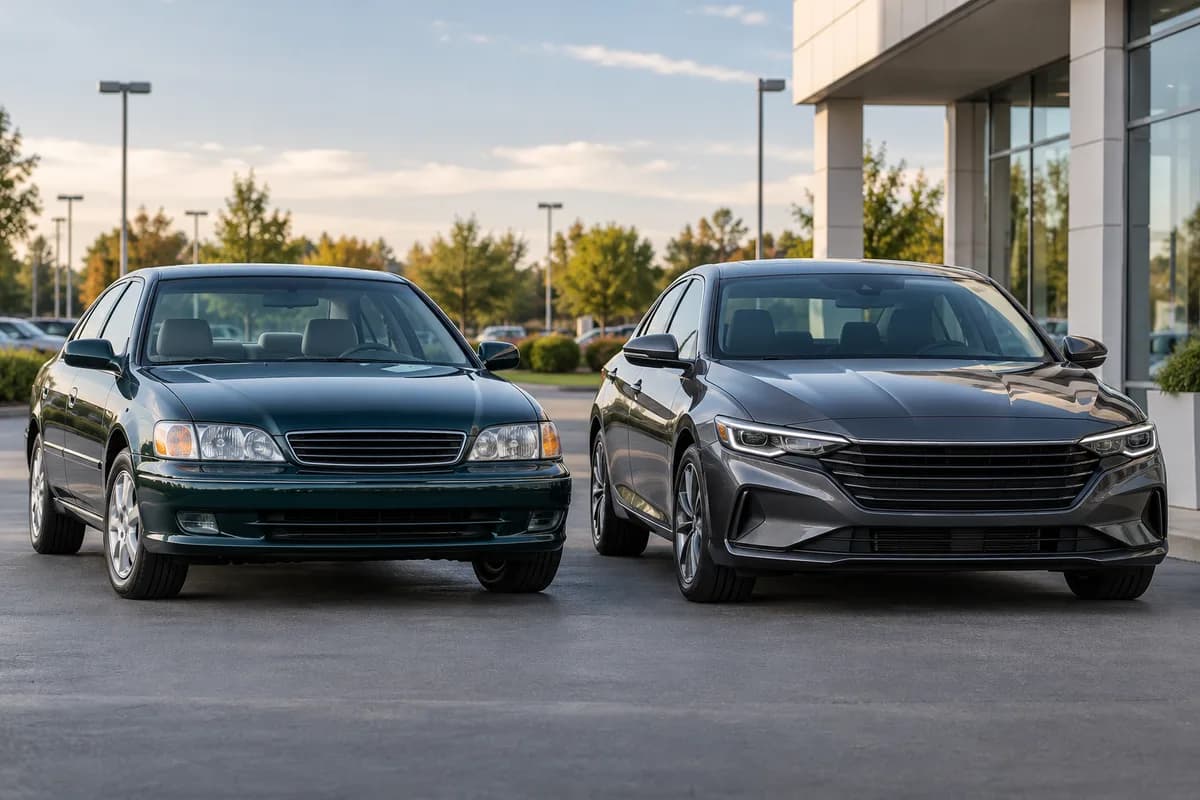
A used car often has a lower purchase price and may have already experienced substantial depreciation. A new car typically offers the latest technology, full manufacturer warranty coverage, and a known ownership history. The better choice depends on your budget, financing terms, expected repairs, and intended ownership period.
Jump to a section1 / 10
Purchase Price Comparison
Used vehicles generally cost less than comparable new models.
However, age, mileage, market demand, and condition affect the size of the price difference.
A nearly new used car may offer only a modest saving compared with a new vehicle, particularly when manufacturer incentives are available.
Depreciation
Depreciation is the reduction in a vehicle's market value over time.
New cars can lose significant value during their early years, although the rate varies by model and market.
Used vehicles may have a lower dollar amount of depreciation remaining, but this is not guaranteed.
Maintenance and Repair Costs
New cars generally have fewer age-related maintenance issues at purchase.
Used cars may require tires, brakes, batteries, suspension work, or other repairs sooner.
A detailed inspection and maintenance records help estimate these expenses.
Put the guidance into practice.
Use your own numbers to explore the next step.
Car ownership cost calculator: new vs used Used car loan calculator with taxes and feesWarranty Protection
New vehicles commonly include manufacturer warranties.
Used vehicles may have remaining factory coverage, certified pre-owned protection, a separate warranty, or no warranty at all.
Review the actual coverage, exclusions, and transfer conditions.
Financing Costs
New car loans sometimes have promotional interest rates.
Used car loans may carry different rates because of vehicle age, lender requirements, and borrower qualifications.
Compare the total repayment cost rather than assuming that used-car financing is always cheaper.
Insurance Costs
Insurance premiums depend on vehicle value, repair costs, coverage, location, driving record, and other factors.
A used vehicle may cost less to insure, but this is not universal.
Obtain insurance quotes before purchasing.
Used Car vs New Car Comparison
| Factor | Used car | New car |
|---|---|---|
| Purchase price | Usually lower | Usually higher |
| Maintenance uncertainty | Often greater | Often lower initially |
| Warranty | Varies | Usually full factory coverage |
| Depreciation | Depends on age and model | Often greater in early ownership |
| Technology | Depends on model year | Latest available features |
| Financing | Rates vary | Promotional offers may apply |
| Ownership history | Requires verification | Usually known from new |
Which Should You Choose?
A used car may be appropriate when purchase affordability is your main priority and you can manage possible maintenance expenses.
A new car may be preferable when warranty coverage, newer safety equipment, and long-term ownership are more important.
Compare actual vehicles rather than relying only on general categories.
Frequently Asked Questions
Is buying a used car financially smarter?
It can be, especially when the vehicle is reliable and priced fairly. However, repairs, financing, and depreciation can change the total cost comparison.
Is a three-year-old car better value than a new car?
Sometimes. Compare the actual selling price, remaining warranty, maintenance history, and financing terms.
Which lasts longer, a new car or a used car?
A new car generally starts with more unused service life, but actual longevity depends on the model, maintenance, usage, and condition.
Conclusion
Neither new nor used cars are automatically the better financial decision.
Calculate the full ownership cost and choose the vehicle that meets your needs with acceptable risk.
Sources and further reading
Examples are hypothetical unless explicitly stated. Prepared with AI assistance and source research; no independent professional review is claimed. Verify current rules and contract terms for your situation. Read the full disclaimer.
Save the guide, collect the missing evidence, and revisit your numbers before committing.