Key takeaways
- Suspiciously Low Prices
- Fake Online Listings
- Requests for Advance Payment
- Fake Vehicle History Reports
- Odometer Fraud
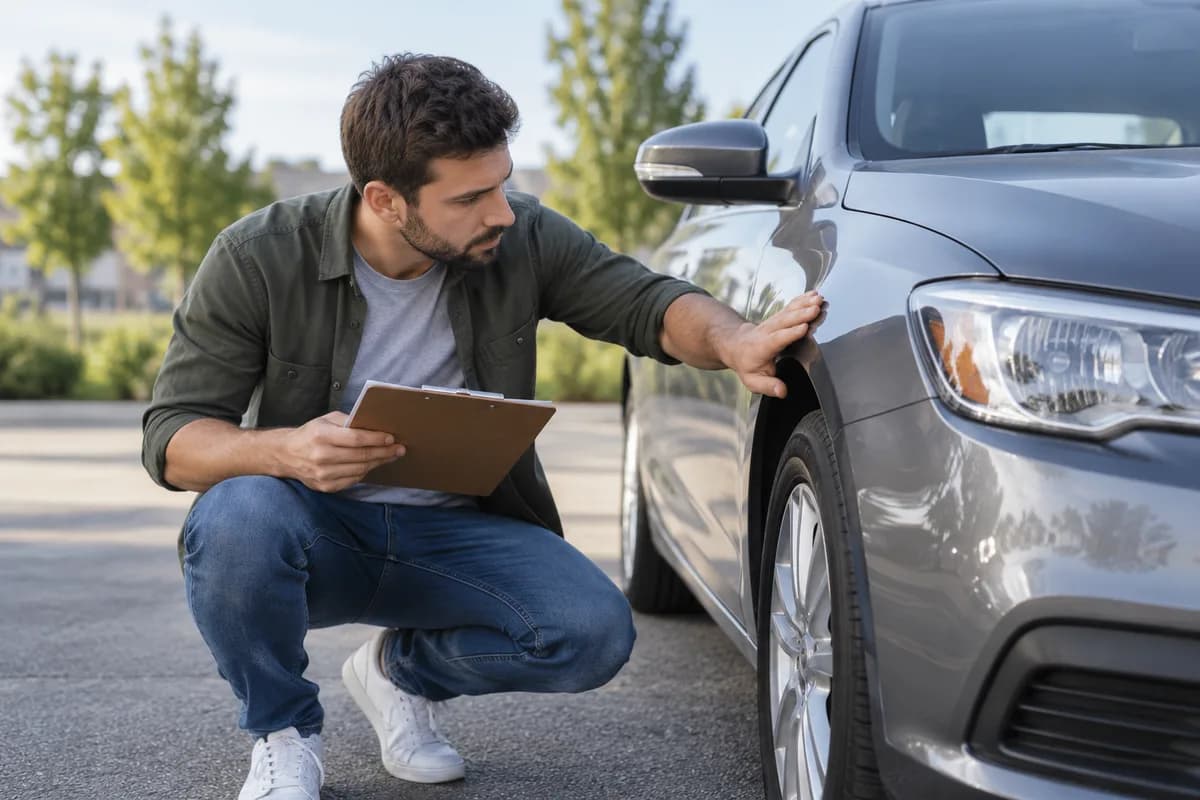
To avoid used car scams, verify the seller's identity, confirm vehicle ownership, compare the VIN with official records, inspect the vehicle in person, and use secure payment methods. Be especially cautious of unusually low prices, pressure to pay immediately, and sellers who refuse independent inspections.
Jump to a section1 / 13
Suspiciously Low Prices
A price far below comparable listings may indicate a scam, undisclosed damage, or misleading information.
Research similar vehicles before responding.
Fake Online Listings
Fraudsters may copy vehicle photographs and descriptions from legitimate advertisements.
Look for inconsistent details, repeated images, and sellers who cannot provide verifiable information about the vehicle.
Requests for Advance Payment
Be cautious of sellers requesting deposits before you can verify the car and ownership.
Never send money simply because a seller claims other buyers are waiting.
Put the guidance into practice.
Use your own numbers to explore the next step.
Used car inspection checklist What is my car worth?Fake Vehicle History Reports
Some scammers create websites that collect payments or personal information while pretending to provide vehicle reports.
Use reputable services and official vehicle-record resources where available.
Odometer Fraud
Odometer manipulation can make a vehicle appear less used than it really is.
Compare recorded mileage with inspection reports, maintenance records, and available vehicle history data.
Title Washing
Title washing involves attempts to conceal a vehicle's prior damage or branded title history through documentation changes.
Investigate inconsistencies in ownership and title records.
Stolen Vehicles
Check vehicle identification numbers and available theft records through appropriate official channels.
Do not proceed when the seller cannot demonstrate legitimate ownership.
Pressure Selling
Statements such as ‘pay now or lose the car’ can be used to prevent proper verification.
A legitimate transaction should allow reasonable time to review documentation and arrange an inspection.
Unsafe Payment Requests
Be careful with gift cards, cryptocurrency, and unusual payment arrangements.
Some methods offer little practical recourse after a fraudulent transaction.
Use an appropriate, verifiable payment process.
Refusal of Independent Inspection
A seller who refuses to permit a reasonable independent inspection may be concealing problems.
Consider another vehicle if concerns cannot be resolved.
How to Buy a Used Car Safely Online
Follow this process:
- Research the seller.
- Compare the advertised price.
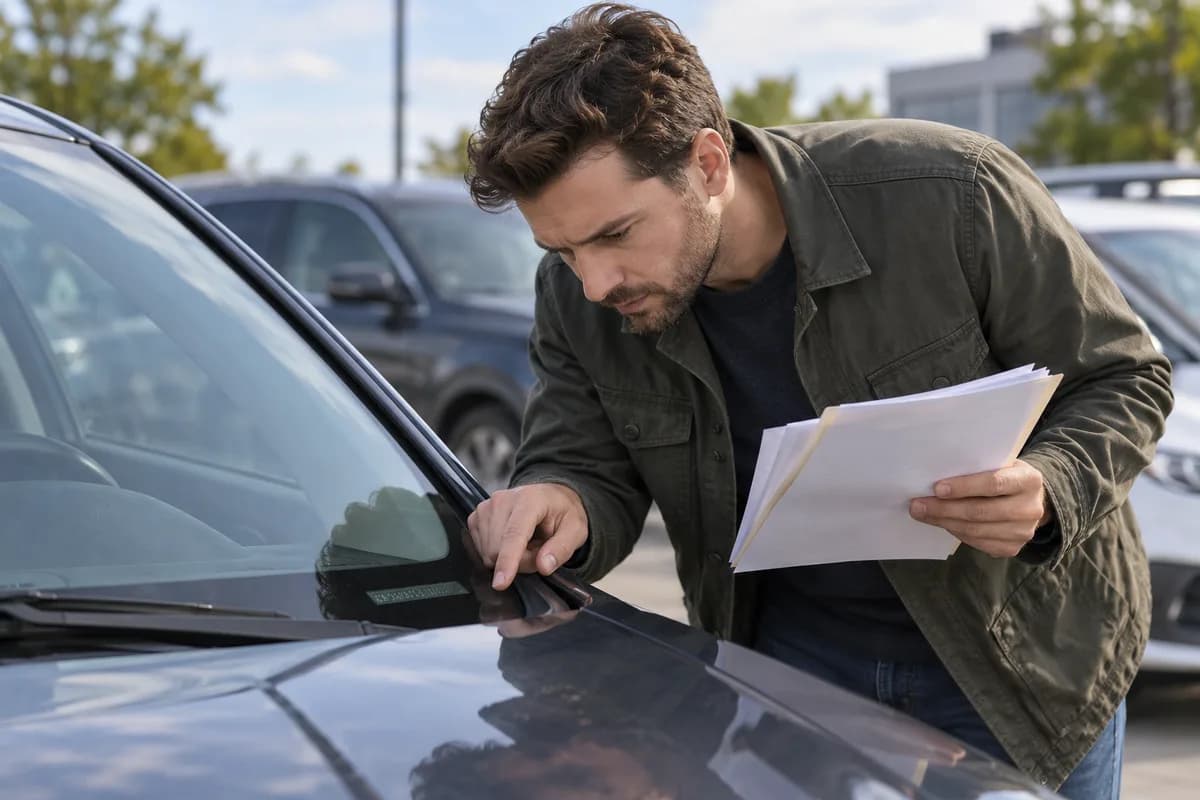
- Request the VIN and ownership details.
- Check available history records.
- Arrange a safe vehicle viewing.
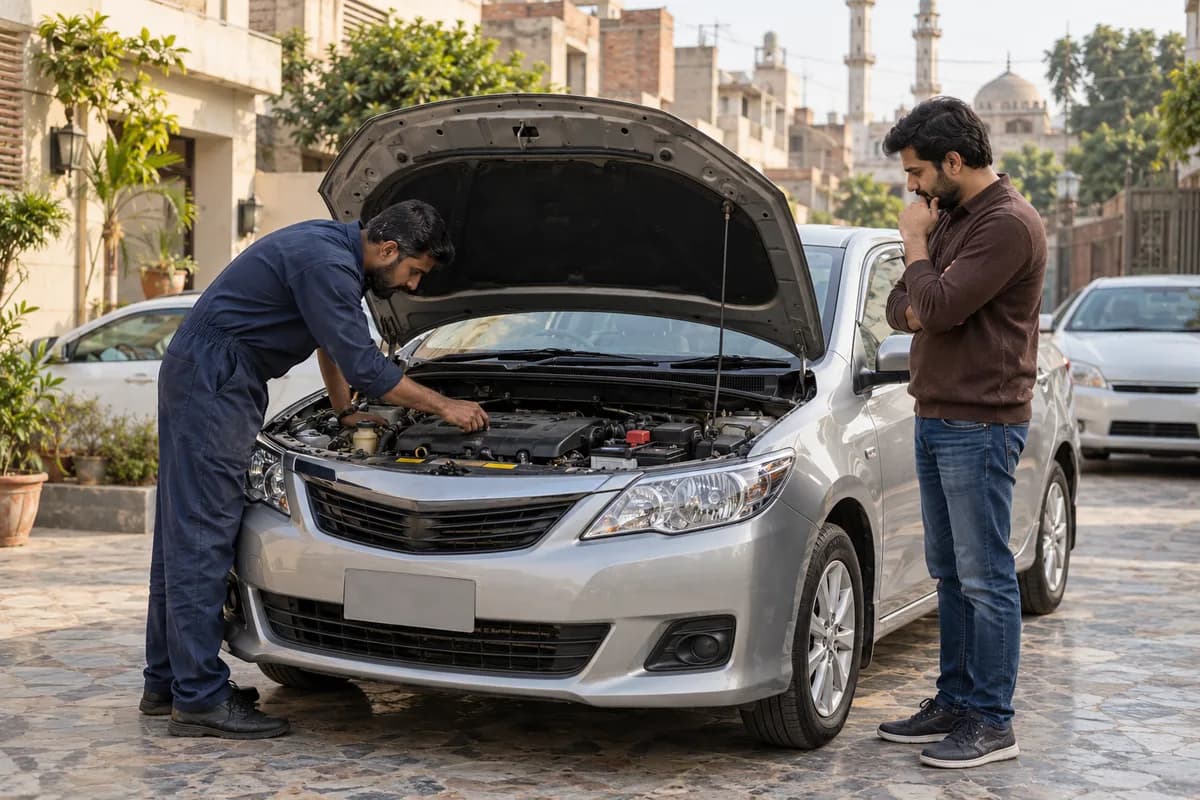
- Obtain an independent inspection.
- Confirm payment and transfer procedures.
- Retain relevant transaction records.
Frequently Asked Questions
How can I tell if a used car listing is fake?
Watch for copied images, inconsistent descriptions, unverifiable sellers, unusually low prices, and requests for payment before viewing the vehicle.
Is it safe to buy a used car online?
Online marketplaces can be useful for discovering vehicles, but verify the seller, car, and paperwork before completing a transaction.
What should I do if I suspect a used car scam?
Stop sending money or personal information. Preserve relevant messages and transaction evidence, contact your payment provider if necessary, and report suspected fraud to the appropriate authorities or marketplace.
Conclusion
Most used car scams exploit urgency, incomplete information, or misplaced trust.
Independent verification and secure transactions provide stronger protection than relying on seller promises.
Sources and further reading
Examples are hypothetical unless explicitly stated. Prepared with AI assistance and source research; no independent professional review is claimed. Verify current rules and contract terms for your situation. Read the full disclaimer.
Save the guide, collect the missing evidence, and revisit your numbers before committing.